I read a post celebrating the "citizen" in citizen science. There are many people who like to say that citizen science is about citizenship as well as science.
Citizen science is sometimes called crowd science, crowd-sourced science, or civic science. It can be the volunteer monitoring of a habitat or species. It can be doing scientific research conducted voluntarily, in whole or in part, by amateur or nonprofessional scientists. It is public participation in scientific research, and by conducting this research, people are likely to become a better citizen. It may cause you to become involved in the cleanup of a waterway in your area, or get you to become involved in protecting a species. You will certainly be learning more about your physical world.
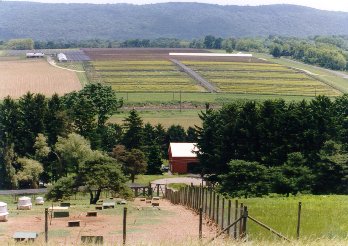
My own entry into citizen science began when I volunteered for the state's Wildlife Conservation Corps in 1990. I began by working on educational programs along with other volunteers at the Pequest Trout Hatchery and Education Center. I was able to develop and present some programs on tracking, map and compass and even nature writing. I also participated in fishing instruction, visitor services, trail maintenance, and bird house and butterfly garden maintenance.
Away from Pequest, I also volunteered at deer check stations, went on dead deer exccursions with NJDEP biologists to monitor how and why deer were dying or killed over winter (unrelated to hunting).
I also have participated in the Speaker's Bureau giving presentations to community groups and schools.
My focus over the past decade, as you might guess from this blog, has been working with the Endangered and Nongame Species Program (ENSP).
All volunteers for the NJDEP Division of Fish and Wildlife are members of the NJ Wildlife Conservation Corps (WCC) which is the largest natural resource management volunteer group in the state. WCC citizen science activities can assist in a wide variety of Division activities: operation of turkey, beaver and otter check stations; spring, fall and winter trout stocking programs; operations at the Rockport Pheasant Farm; fishing instruction at the Pequest facility; upkeep of hunter training ranges located in Wildlife Management Areas; and various activities with the Endangered and Nongame Species Program.
And there are a good number of other opportunities to volunteer in NJ.
The NJ State Forestry Services Volunteers in Forestry Program provides an opportunity for individuals and groups to help improve and enhance our forest resources. These citizen scientists are stewards of the land and value conserving our natural resources. If you'd like to donate your talent and time, go to state.nj.us/dep/parksandforests/
The NJ Audubon Citizen Science Program aims to develop information datasets through citizen participation, on the abundance distribution, and demography of avian species. Using information collected through the contributions of Citizen Scientists to provide the basis for managing bird populations at multiple spatial and temporal scales, to improve our knowledge of the ecology of New Jersey, and to promote habitat preservation.
The American Littoral Society was founded by scientists and naturalists who believed in the value of citizen science. They also engage members of the public in field research to increase the data collected and to connect our volunteers more closely to the natural world. This is a way that you, your kids, your students and your friends can get involved in science that will help the coastal environment by working with programs such as their Fish Tagging Program and Spill Spotters Network (reporting oil spills or other severe pollution events).
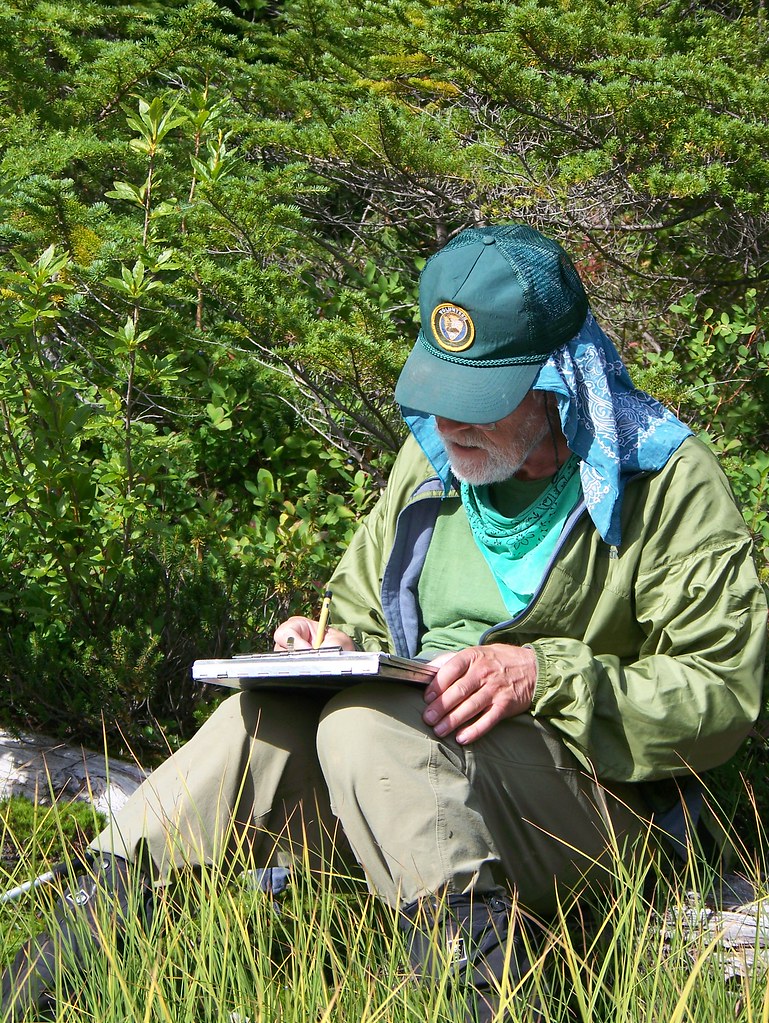
I also volunteered for several years in the National Park Service's Volunteer in the Parks program at Sandy Hook. I worked summers on the beaches monitoring and trying to protect nesting shorebirds from beachgoers by educating them about the species there.
There are probably many programs in your county or hometown. Citizen Science in Newark, New Jersey might mean helping the EPA monitor air sensors to help the Ironbound community. The Ironbound neighborhood is surrounded by a number of industries and a dense network of roadways and other transport routes. Residents of the community are getting a technological boost from EPA in their efforts to learn about sources of harmful air pollutants and improve public health with portable air sensor developed by EPA researchers to monitor levels of particulate matter and nitrogen oxide – pollutants that cause short- and long-term health effects and are regulated under the Clean Air Act.
You can even do citizen science from home. One example is WhaleFM which helps marine researchers understand what whales are saying. Volunteers listen to recordings of Orcas and Pilot Whales on your computer and help match them to like recordings. This project is sponsored by Scientific American, Zooniverse, and marine scientists from around the world. This is great for ocean lovers who don't live near an ocean or are limited in their ability to get outside.
 |
| banding osprey chicks - NJDEP |