The shortnose sturgeon (Acipenser brevirostrum)
is one of NJ's endangered species Photo credit: Noel Burkhead, USGS
The U.S. Fish and Wildlife Service (USFWS) has built up quite a backlog of species that have an undecided fate both in the natural world and as far as their status on the Endangered Species list. There are more than 250 species that need a determination regarding their status under the Endangered Species Act.
Unfortunately it took a federal judge to get the agency moving. There was a settlement of two lawsuits in 2011 by conservation activists, and now a judge has pushed the wildlife service to decide on all by 2018 and an agreement to act by September on the fate of 97 species.
According to The New York Times, USFWS has also finished preliminary work on more than 550 other potential candidates for the endangered-species list.
The Department of Environmental Protection’s Division of Fish and Wildlife released a rehabilitated bald eagle at a Morris County golf course on March 4. 2013 to draw attention to the 40th anniversary of the state’s endangered species protection law. The annual state income tax check-off provides critical support to efforts such as this.
“The health of our wildlife populations is a good indicator of the overall health of the environment,” said Division of Fish and Wildlife Director David Chanda. “Since the enactment of the Endangered and Nongame Species Conservation Act of 1973, we have had many success stories in New Jersey, such as the return of the bald eagle from nearly being wiped out in New Jersey to more than 110 pairs successfully raising a record 165 offspring in 2012.”
To mark the anniversary and draw attention to the income tax check-off, the Division of Fish and Wildlife released a four-year-old male bald eagle that was rehabilitated by the nonprofit Raptor Trust. The eagle was found in January with a severely dislocated wing on a roadside along the Oak Ridge Reservoir in Morris County. The release took place at the Morris County Park System’s Berkshire Valley Golf Course.
The state’s Endangered and Nongame Species Conservation Act was signed into law on December 14, 1973, two weeks before President Nixon signed the federal Endangered Species Act.As a result of the state law, the Division of Fish and Wildlife established the Endangered and Nongame Species Program to carry out the work necessary to restore and maintain these species.
New Jersey currently lists 37 species as endangered, including the bald eagle, red knot, piping plover, bog turtle and eastern tiger salamander. Thirty-two species are listed as threatened, including the yellow-crowned night heron, osprey, wood turtle, and northern pine snake.
Check-of funds go to support wildlife conservation programs and are used to match or leverage funds from the federal government’s State Wildlife Grants program. The sales of Conserve Wildlife license plates also help fund the program.
“Donating a small portion of your tax refund to the Endangered Wildlife Fund will go directly to help safeguard our state’s rich fish and wildlife heritage and habitat for future generations to enjoy by supporting research and monitoring, improving management on public and private lands, combating invasive species, addressing wildlife disease problems, and protecting native habitats” said Kelly Mooij, Vice President of Government Relations for the New Jersey Audubon Society.
In addition to the New Jersey Endangered Wildlife Fund, taxpayers may choose to designate contributions to other worthwhile programs. Details are included in the Form 1040 instructions. Contributions to any of these check-off funds will reduce your refund commensurately.
For more on the Endangered and Nongame Species Program, including facts on species that the program works to protect, visit: http://www.nj.gov/dep/fgw/ensphome.htm
For a webcam of an eagle nest at Duke Farms in Hillsborough, visit: www.ustream.tv/channel/eagle-cam. This nest has successfully produced young every year since observations began in 2005.
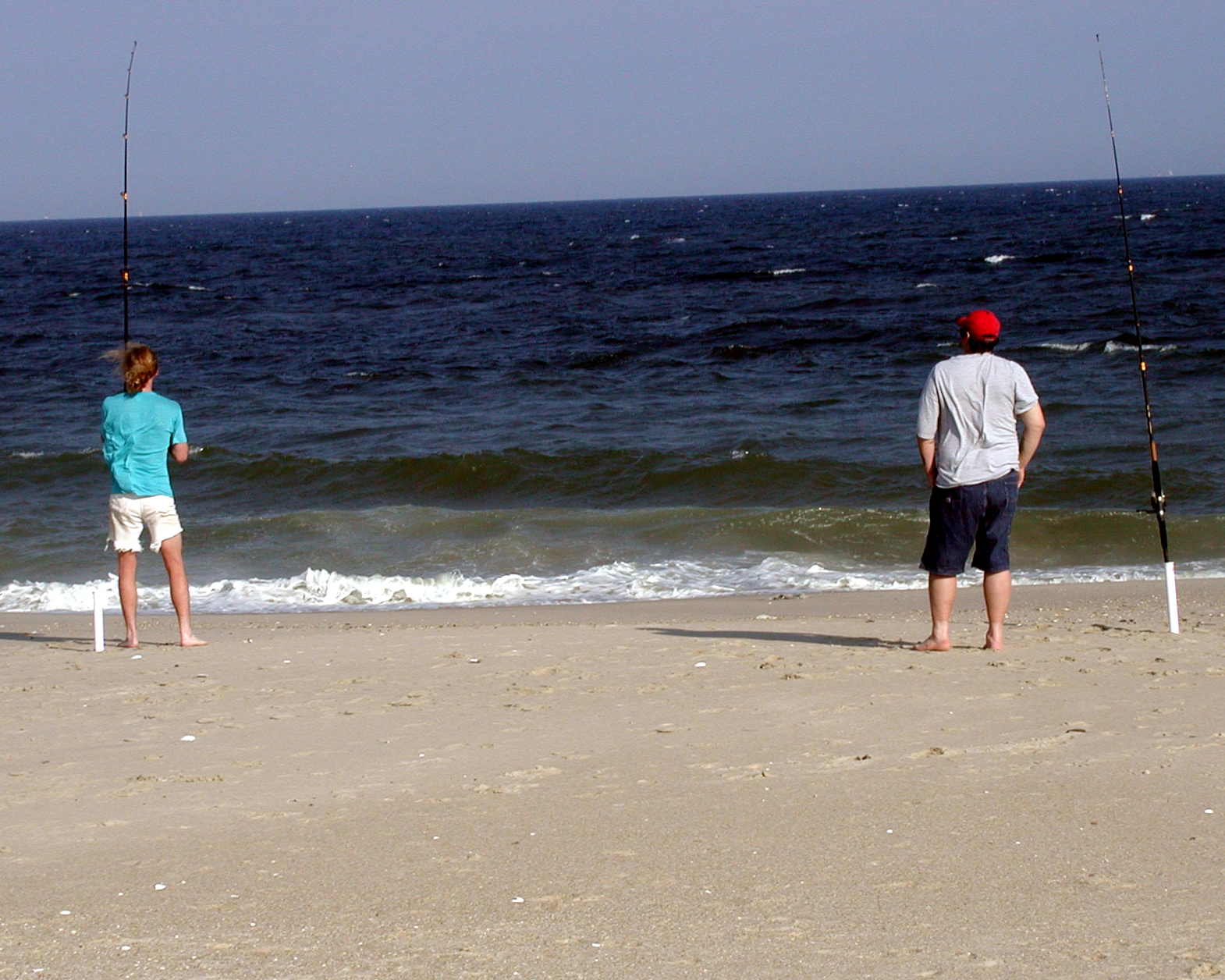
It was good to see that there was another sign of spring and of recovery of the beach areas at the Gateway National Recreation Area which includes NJ's Sandy Hook with the issuing of a Spring Guide with listings of programs.
The Sandy Hook Unit will open on May 1st. Three beach areas, (B, Gunnison and North Beach) will open on Memorial Day weekend. The repairs to the wastewater treatment plant will not be finished by this date, so some beach areas may be serviced by temporary restroom facilities. The repairs to the ferry service and bike path at Sandy Hook may not be completed by Memorial Day weekend.
Established in 1972, Gateway National Recreation Area offers more than 26,000 acres of marshes, wildlife sanctuaries and recreational athletic facilities, miles of sandy beaches; indoor and outdoor classrooms; picnicking and camping areas, as well as historic structures and military installations, airfields, a lighthouse, and adjacent waters around New York harbor. The park offers urban residents in two states a wide range of recreational opportunities year round. With more than nine million visitors a year, it is the third most visited national park in the country.
Information about all of Gateway's public programs: www.nps.gov/gate/
Spotted salamander halfway across a road (conservewildlifenj.org)
Every spring, vernal pool breeding amphibians migrate from upland wintering habitats to their spring breeding pools. Many of these ancestral migratory paths are bisected by roads, creating a barrier that not only disrupts natural migration and fragments habitat but often proves impenetrable, limiting gene flow and disconnecting populations.
Conserve Wildlife NJ'sAmphibian Crossing Project works to protect these migration corridors through coordinated volunteer rescue efforts that move amphibians safely across the road during these annual mass migration events. Currently, our efforts are focused on select sites in northern New Jersey but we want to expand our database to document these migratory paths across the state.
They do ask that you only report known crossings and do not attempt to locate more by driving around on rainy spring nights. Increased vehicular traffic will increase mortality of amphibians during their annual spring migration.
If you would like to report an amphibian crossing near you, please email them the following information:
Location of the crossing marked clearly on a map
List of species seen crossing or DOR (dead on road)
Date(s) of occurrence and any other pertinent information you may have