Showing posts with label backyard wildlife. Show all posts

Wednesday, November 20, 2024

How Droughts Affect Wildlife

New Jersey is going through a historic drought period this autumn. It affects people with fire hazards and drinking water concerns. Drought also has a significant impact on wildlife, affecting their habitat, food availability, behavior, and survival. Dry conditions increase the likelihood of wildfires, destroying habitats and killing or displacing animals.

Reduced Water Availability - has an impact on aquatic life as streams, rivers, ponds, and wetlands dry up or shrink, reducing habitats for fish, amphibians, and other aquatic species.

Terrestrial species - Animals may need to travel longer distances to find water, increasing the risk of dehydration, exhaustion, and predation.

Decline in Food Sources - Drought can stunt plant growth, reducing the availability of leaves, seeds, fruits, and flowers that many animals rely on. Suburban deer, for example, are more likely to visit homes to feed on landscaping. Animals may enter new areas, increasing human-wildlife conflicts.

Predators suffer when prey populations decline due to lack of food or water.

Habitat Loss comes with shrinking water bodies and drying vegetation reducing nesting, breeding, and shelter areas for species such as birds, amphibians, and insects. Species that fail to adapt may face population declines, impacting predators and prey in the food chain.

Animals compete for limited resources, leading to heightened stress, aggression, and displacement of weaker species.

Migration patterns may change as species search for water and food, disrupting ecosystems.

Health and Survival Challenges occur because drought increases vulnerability to diseases, especially in weakened animals. The risk of starvation and dehydration rises. Limited water can concentrate animals around scarce waterholes, making them more vulnerable to predators.


Monday, November 20, 2023

Watching Wildlife in New Jersey

Wildlife watching can be an educational, surprising and awe-inspiring experience for children and adults. New Jersey offers an abundance of places to observe its native species, from forests and meadows, to lakes, streams and coastal marshes. Because our state supports a wide range of habitats - mountains and freshwater wetlands, open farmland, the unique Pine Barrens forests and tannin-stained waters, the remote Delaware Bayshore, and the Atlantic shore beaches - each habitat type supports a different assemblage of wildlife.

The state has created references to fins places to watch wildlife based on different criteria. If you want to watch for wildlife based on a habitat, take a look at:
dep.nj.gov/njfw/wildlife/wildlife-watching/watch-wildlife-by-habitat/

The landscape changes all across New Jersey. From the northern Highlands and Ridge-and-Valley regions, through the central Piedmont Plains, and south to the Pine Barrens and outer Coastal Plain, the wildlife diversity changes across the landscape. 

Learn where to go in each region at
dep.nj.gov/njfw/wildlife/wildlife-watching/watch-wildlife-by-region/


A white-tailed deer fawn

Many species of wildlife need big spaces, but there are many that take advantage of even small parcels if the habitat is good. Backyards that offer native food plants, shelter, and water will attract a diversity of birds, butterflies, and more.

BACKYARD HABITATS
dep.nj.gov/njfw/conservation/backyard-habitats/

Did you see any rare, endangered, or threatened wildlife, or perhaps an injured wild animal in New Jersey? 

Find out how to report those sightings, contact a wildlife rehabilitator, and more.
dep.nj.gov/njfw/conservation/reporting-rare-wildlife-sightings/ 

Friday, November 3, 2023

Ever Find Orphaned Wildlife?


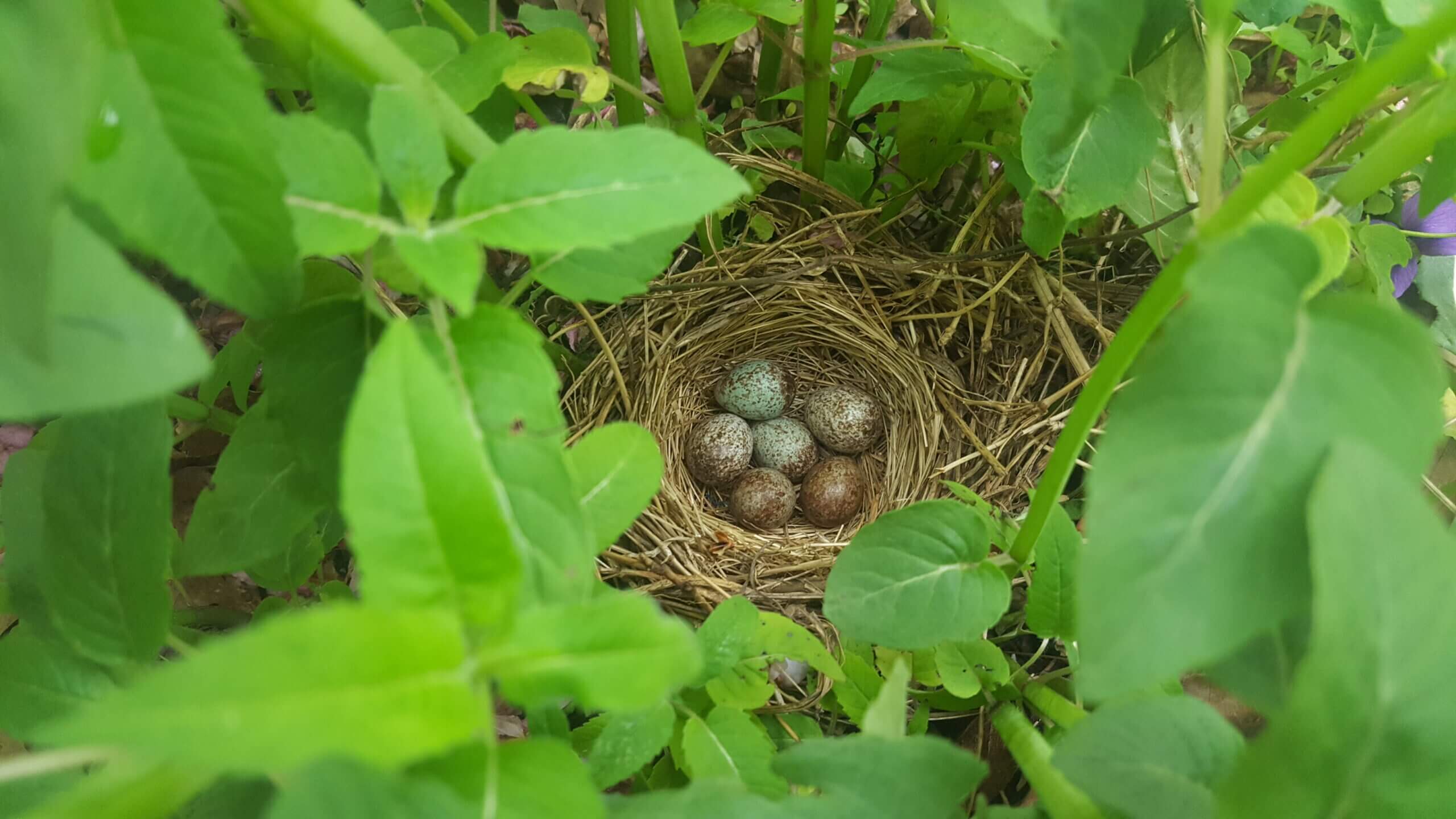
If you are outside in the woods, by a body of water, or just in your own urban or suburban neighborhood, you might come across something like a fawn lying in the grass, without an adult deer in sight. Have you come across a bird’s nest with eggs or a chick or a young bird that can't seem to fly?

Sometimes the best thing to help wildlife is to leave it alone.


Check out the information at dep.nj.gov/njfw/wildlife/wildlife-watching/do-not-disturb/ about how to deal with nests, orphaned wildlife, feeding wildlife and even exceptions to the DO NOT DISTURB rule.


Friday, August 13, 2021

Backyard Naturalists

Image by Bessi from Pixabay

We're more than halfway through summer and if your kids are already moaning about school starting and want something to do, how about making them backyard naturalists?

I am always amazed at how many children and adults cannot name the species of the tree in the back or front yard or the kind of flowers growing around their neighborhood or the bird that landed on the deck or the insect flying or crawling nearby.

The NJ Division of Fish and Wildlife has created online learning resources for learning about our environment. They have some activities for kids to do while exploring, some outdoor Skills to learn and some species identification to help them become more familiar with the natural world.

There are good field guides to all these things and I have noted some below,
but a free, simple starting place can be this page:


Wednesday, July 22, 2020

Make New Jersey and Your Backyard Wildlife Friendly


Northern Gray Treefrog with its excellent camouflage

The CHANJ project (Connecting Habitat Across New Jersey) is designed to help wildlife to find their way through a fragmented world by making New Jersey's landscape friendlier to wildlife movement.

Land animals move throughout the day and year to find resources including food, shelter, and each other for mating.

Fortunately, NJ is also a recognized leader in preserving open spaces for recreation, agriculture, and nature. Nearly one-third of the state’s landmass is now in permanent preservation, thanks to steadfast public support and tremendous capital investments. In fact, NJ boasts a higher percentage of publicly-owned forest land than any other state east of the Mississippi (Widmann 2004). 

===Join us! Try out the interactive CHANJ Mapping to see where you fit into New Jersey's connectivity puzzle, and find guidance on how you can support wildlife habitat connectivity in your backyard, in your town, or beyond. While we're all spending more time at home these days, Chapter 4 (page 9) has some fun resources for making a wilder yard for pollinators, birds and other fellow Earthlings.

CHANJ Mapping Tutorial video  For more information & additional resources,
visit 
Tools of CHANJ.

You can also do your part very locally by making your own property a  Jersey-Friendly Yard which offers a variety of resources to help home and property owners learn about environmentally sound landscaping techniques.

Here are some other backyard suggestions about Environmentally Friendly Landscaping