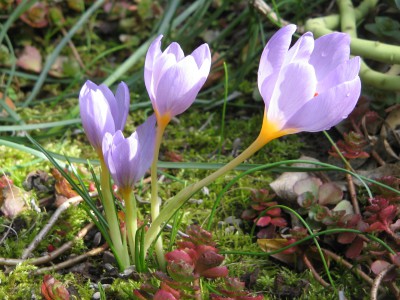
The crocuses bloomed three weeks earlier this year in my part of Essex County. I know that because I have kept a garden notebook for the past 35 years. Spring if officially here, but things have been blooming for awhile and I have been recording them.
Have you noticed any changes in when things sprout or bloom
in your neighborhood? Maybe flowers tend to bloom a little earlier this year or birds that used to migrate are hanging around your yard through the winter?
In some ways my garden notebook is more of a nature notebook as I find myself also recording first and last frosts, snow storms, the appearances of birds, insects and wildlife. Some of those things I post on
another blog of mine (where this post first appeared), both seriously and also as a kind of
weather lore. My posts about
predicting the weather based on signs in nature seem to get a lot of hits, so I am not alone in my interest, scientific or not.
Most people have never heard of
phenology. but if you have ever paid attention to the timing of natural events, like blooming flowers and migrating animals, you have been practicing this -ology. Phenology is the study of the timing of recurring plant and animal life cycle events.
If you want to make those observation to be more "official," you can
become a citizen scientist by connecting with groups like
Nature’s Notebook. It is an online project sponsored by the
USA National Phenology Network. Americans can practice phenology in their own habitat and share their observations with other members and have their data shared with scientists who will use the data for research and decision-making.
It saddens me how disconnected people are to the natural world of plants, animals, the earth and sky. s a lifelong teacher, it really saddens me to see how disconnected kids become as they get older. The interest is always there in very young children, so it is something that is lost.
We may not all be as observant as Sara Schaffer of
Nature’s Notebook who suggests that we notice the "slightest blush on a maple leaf that foreshadows the coming fall" or the "new, more vibrant feathers warblers put on days before mating.”

Do you see the appearance of the first robin on your lawn as a sign that spring has arrived? I grew up hearing and believing that. But I have observed and recorded robins every winter. Once I saw four of them sitting on my fence in a February snowstorm. Robins as indicators of spring is a good example of weather lore.
Most robins do migrate south, but some are probably still around your neighborhood all winter - no doubt better protected in the woods than on your bare lawn. The robins that do migrate to the South in the fall, return in the spring, so then we see many more of them on that soggy lawn and field in search of food.
Geese flying south over my house is a daily occurrence. They fly from the reservoir south to a pond. They never migrate or leave any more. What does that indicate? Perhaps some of it is climate change, but it is also the prime water and grass we provide them in parks, golf courses, school fields and corporate settings. Why leave?
Though thinking that a captive groundhog can predict the end of winter is certainly weather lore, paying attention to events like true
bird migrations can help us understand long-term trends and predict future events. That is why many observers may be reporting small changes that can help more accurately predict the
long-term impacts of climate change and shorter-term events in the near future.



 titles out there now.