Showing posts with label politics. Show all posts

Tuesday, December 22, 2020

Biden's Pick for Secretary of the Interior

Debra Haaland on Insight New Mexico
Rep. Debra Haaland  - via Wikimedia

President-elect Joe Biden has chosen Representative Deb Haaland, a first-term congressperson from New Mexico, to be his secretary of the interior. If confirmed by the Senate, Haaland will be the first Native American to run the Department of the Interior and the first to serve on a presidential cabinet. 

The position oversees agencies like the Bureau of Land Management and National Park Service and the Bureau of Indian Affairs. 

Haaland, 60, is the daughter of two military veterans. Her mother, a Native American, served in the U.S. Navy. Her father, a Norwegian American, was a Marine and received a Silver Star for courageous service in the Vietnam War. Haaland is an enrolled member of the Laguna Pueblo and describes herself as a 35th generation New Mexican. 

It is always dangerous to predict what a cabinet member will want to do or be able to do but some environmental groups have already commented on the nomination. The National Wildlife Federation stated that choosing Haaland for the position is “a clear sign the new administration is deeply committed to tackling America’s wildlife and climate crises and authentically engaging with Native American Tribes and Indigenous communities.” 

President-elect Biden pledged to halt all new oil and gas drilling on public lands and waters.

Haaland earned a Juris Doctor degree from the University of New Mexico School of Law and went on to serve as tribal administrator for the San Felipe Pueblo.

She joined the Dakota Access Pipeline protests on the Standing Rock Sioux reservation. 

She and Sharice Davids of Kansas were both elected in 2018 making them the first Native American women in Congress. Haaland serves as vice-chair of the House Natural Resources Committee and is also chair of the Subcommittee on National Parks, Forests, and Public Lands. 

Much attention has been focused on what she might bring to Native American affairs.  During the Trump administration, DOI Secretaries Ryan Zinke and Bernhardt, pushed through the Dakota Access Pipeline, removed protections from sacred tribal sites in Utah’s Bears Ears National Monument, opened the Alaska National Wildlife Refuge to oil drilling (threatening food sources for the Gwich’in people), and reorganized the DOI in ways that Haaland argues are intended to suppress the voice of tribes. 

Sunday, December 6, 2020

Saturday, December 28, 2019

The Endangered Species Act at 46 Years


On December 28, 1973, the Endangered Species Act was signed into law by President Nixon. Some people may be surprised that it was Nixon who had outlined his environmental agenda to Congress the year before.

“This is the environmental awakening. It marks a new sensitivity of the American spirit
 and a new maturity of American public life. It is working a revolution in values,
as a commitment to responsible partnership with nature replaces
cavalier assumptions that we can play God with our surroundings and survive.”

He specifically asked for a new Endangered Species Act (ESA) that would provide early identification and protection of threatened species, and treat hunting or capturing endangered species as a federal offense. In 1973, the House and Senate versions were combined. The Senate passed the bill unanimously, and the House by a vote of 355 to 4.

In the 46 years to follow, the law has helped prevent the extinction of our nation's wildlife, including a beloved symbol of America, the bald eagle. Over 95 percent of species listed under the Act are still with us today and hundreds are on the path to recovery, which is an astonishing success rate.

The Endangered Species Act also provides added benefits to people by maintaining healthy natural systems that provide us with clean air and water, food, medicines and other products that we all need to live healthy lives.

In 1973, We owe it to our children and grandchildren to be good stewards of the environment and leave behind a legacy of protecting endangered species and the special places they call home.

But as recent headlines, such as this one from August 2019 in The New York Times -- "U.S. Significantly Weakens Endangered Species Act" -- indicates, the Trump administration has announced changes in the way the Endangered Species Act is applied that weaken its protections.

Today, the Endangered Species Act protects over 2,140 listed species. The US Fish and Wildlife Service and NOAA continue to develop new technologies and management approaches to ensure the ESA remains effective and that endangered species populations can rebound and their habitats can recover.

As much as I try to avoid politics in writing about endangered species and places in our state, I recognize that politics drives most of the protections or lack thereof atthe highest levels of implementation.
Poster via www.endangered.org

More on Protecting the ESA and Endangered Species

Monday, August 12, 2019

Trump Administration Overhauls Endangered Species Act

The bald eagle is the most visible symbol of the success of the Endangered Species Act
The Trump administration announced on Monday a major overhaul to the Endangered Species Act. The main thrust is to reduce regulations.

Environmentalists immediately responded by saying that it will say will threaten more animals and plants to extinction. This is especially true in light of threats from climate change and human activities.

The Endangered Species Act has prevented more than 99% of listed species from going extinct, according to Earthjustice, a group of lawyers for the environment. They also say that in polling, 90% of Americans support the act.

The changes end blanket protections for animals newly deemed threatened.

It allows federal authorities for the first time to take into account the economic cost of protecting a particular species.

Two statements from the administration explain the move in these ways:

“The best way to uphold the Endangered Species Act is to do everything we can to ensure it remains effective in achieving its ultimate goal – recovery of our rarest species. The act’s effectiveness rests on clear, consistent and efficient implementation.” -  U.S. Secretary of the Interior David Bernhardt 
"...the revisions finalized with this rulemaking fit squarely within the president’s mandate of easing the regulatory burden on the American public, without sacrificing our species’ protection and recovery goals." - U.S. Secretary of Commerce Wilbur Ross
Monarch Butterfly on Butterfly Milkweed plant  - USFWSmidwest photo
President Richard Nixon signed the Endangered Species Act into law in 1973. The act was critical to bring back the bald eagle, California condor, grizzly bear and many other animals and plants nearing extinction.

On the side of environmentalists, the reaction is similar to the comments of Noah Greenwald, the Center for Biological Diversity’s endangered species director:
“These changes crash a bulldozer through the Endangered Species Act’s lifesaving protections for America’s most vulnerable wildlife. For animals like wolverines and monarch butterflies, this could be the beginning of the end. We’ll fight the Trump administration in court to block this rewrite, which only serves the oil industry and other polluters who see endangered species as pesky inconveniences. We’ll do everything in our power to get these dangerous regulations rescinded, including going to court.”

The arguments and court cases will certainly start immediately and probably continue for years to come.

COVERAGE IN THE NEWS
www.nytimes.com
www.usatoday.com
www.chicagotribune.com


Friday, June 7, 2019

Climate Lobby Day

Climate Lobby Day is a day of action to tell legislators to fight climate change and support green energy. This New Jersey event is part of the Empower NJ-No Fossil Fuel Projects campaign calling for Gov. Murphy to place a moratorium on all fossil-fuel infrastructure projects in the state.

Empower NJ-No Fossil Fuel Projects is a coalition of over 70 environmental, citizen, faith, and progressive groups. Some of the groups involved in this campaign are, NJ Sierra Club, Green Faith, Food & Water Watch, Indivisibles, Environment NJ, Blue Wave, People Over Pipelines, Clean Water Action, UU Faith Action NJ, Delaware Riverkeeper Network, Citizen Action and more.

New Jersey is being impacted by climate change. We are being overrun by fossil-fuel infrastructure projects that will deepen climate impacts. If 8 proposed pipelines and 5 power plants are all built, they will increase our CO2 and GHG by 32% and block Governor Murphy’s 100% renewable energy goals.

We will be asking legislators to urge Gov. Murphy to put a moratorium on all fossil fuel projects in the state. We will also be urging legislators to support bills that will move New Jersey more quickly to 100% renewable energy, expand EV use and reduce greenhouse gases to combat climate change. These bills and others can help create more green jobs and build a green economy.

Who: Empower NJ, including the New Jersey Sierra Club, Food and Water Watch, Clean Water Action, Delaware Riverkeeper Network and other groups.

What: Lobbying legislators to support key bills promoting green energy, and urging them to support a moratorium on fossil-fuel projects.

Where: New Jersey Statehouse Annex, 137 West State St., Trenton, NJ 08608, meet by the cafeteria whenever you arrive.

When: Monday, June 10, 9:00 a.m.-3:00 p.m.

RSVP: https://forms.gle/By89fdCuP9ZpoifLA

Directions to the Statehouse Garage: http://www.njleg.state.nj.us/legislativepub/directions.asp

Facebook Event Link: https://www.facebook.com/events/404853236772969/

Empower NJ Website: http://empowernewjersey.com/

Wednesday, January 23, 2019

The Wildlife Corridors Conservation Act

Some exciting new legislation is in the works to boost habitat connectivity across the U.S. The Wildlife Corridors Conservation Act was introduced in December, citing that "one of the greatest threats to the survival and diversity of many native fish, wildlife, and plant species in the United States is the loss, degradation, fragmentation, and obstruction of natural habitats."

If passed into law, the Act would designate a National Wildlife Corridors System and establish funds for projects like road overpasses, underpasses and other strategies to help animals move through the landscape and shift in response to climate change.


US Highway 191's two wildlife overpasses, six underpasses, and 13 miles fencing system
to protect and preserve Wyoming's extraordinary wildlife in Pinedale, Wyoming.
Video on the Path of the Pronghorn, the nation's first federally protected wildlife corridor.


Read more

state.nj.us/dep/fgw/ensp/chanj.htm

wildlife.org/new-legislation-would-establish-system-of-wildlife-corridors

Monday, August 28, 2017

NJDEP Opposes Industrialization of the Jersey Shore

In formal comments submitted to the U.S. Department of the Interior’s Bureau of Ocean Energy Management (BOEM), the Christie Administration affirmed its continued, steadfast opposition to natural gas and oil exploration in Atlantic Ocean waters off New Jersey, affirming that the State opposes any industrialization of our coast that could negatively impact natural resources, coastal communities or the economy.

The letter from Department of Environmental Protection Commissioner Bob Martin to BOEM was in response to a July 3 Federal Register notice soliciting comments on a proposed National Outer Continental Shelf Oil and Gas and Leasing Program. The planned five-year program would lease large tracts of underwater areas from Maine to Florida for oil and natural gas exploration, and potentially for future development.

“Weighing the potential negative impacts to New Jersey’s natural resources, coastal communities, and economy with the potential for energy generation and current energy needs, the State of New Jersey opposes any portion of the North and Mid-Atlantic Ocean being included in the development of a National Outer Continental Shelf Oil and Gas Leasing Program,” Commissioner Martin wrote in the letter to BOEM.

Since 2010, Governor Christie has repeatedly made clear his commitment to protecting the New Jersey coast, opposing any offshore energy exploration or development, including vetoing liquefied natural gas (LNG) facilities proposed to be located in our coastal waters. Governor Christie has consistently opposed such projects, citing the risks to New Jersey’s residents, natural resources, economy and security.

“Governor Christie continues to demonstrate his commitment, year after year, to protecting our air, land, water, and natural and historic resources, and recognizes that the ocean is one of New Jersey’s most valued treasures,” said Commissioner Martin. “Energy exploration or facilities off our coast pose far too many unacceptable risks to our environment, to the safety and welfare of the State's residents, and to New Jersey’s economy.”

A copy of Commissioner Martin’s letter to BOEM can be found at: www.nj.gov/dep/docs/njdep-boem-letter-220170816.pdf

Press Release: http://www.nj.gov/dep/newsrel/2017/17_0082.htm

Monday, February 13, 2017

Plan to Cut Trees in Sparta Mountain Wildlife Management Area Becomes Controversial


The NJ Department of Environmental Protection, in conjunction with the New Jersey Audubon Society, have put forward a plan to cut roughly 20 to 30 acres on Sparta Mountain annually. Opponents of the state’s plan to cut acres of trees in the Sparta Mountain Wildlife Management Area have come out strongly against the plan.

The state feels it is necessary to cut timber in order to diversify the forest and create “young forest habitat” that endangered species in the area need to thrive.

Opponents see the plan as a logging scheme disguised as a forest stewardship plan. They also feel that removal of the trees threatens an area of land that provides a large percentage of water for the state.

The anti-logging effort has been branded with the name “Stop the Chop” by the group SaveSpartaMountain.org.

A meeting in late January at the Franklin Firehouse was sponsored by the Friends of Sparta Mountain group, which included environmental speakers as well as Sen. Raymond Lesniak (D-Elizabeth).

The plan would encompass 3,400 acres of land within the townships of Sparta, Ogdensburg, and Hardyston in Sussex County and Jefferson Township in Morris County.


Wednesday, February 8, 2017

To Hunt or Not to Hunt Bears in New Jersey

Politics is my least favorite part of writing about the environment, but unfortunately it plays a bigger role than I would like in environmental protection. On a national level, President Trump's cabinet appointments for the DEP and Energy have ignited plenty of opinions on both sides.

In our own state, animal-rights groups such as Bear Education and Resource (BEAR) are now lobbying for “Pedal’s Law,” after it was initially rejected by the state Senate. BEAR is a program of Animal Protection League of New Jersey (APLNJ).


The law was proposed by Senator Raymond Lesniak in response to the death of social-media-famous “Pedals” the bear, who was legally harvested/killed this past October by a bow hunter. If the bill is passed, it would effectively ban bear hunting in New Jersey for five years, while implementing a nonlethal bear management program.

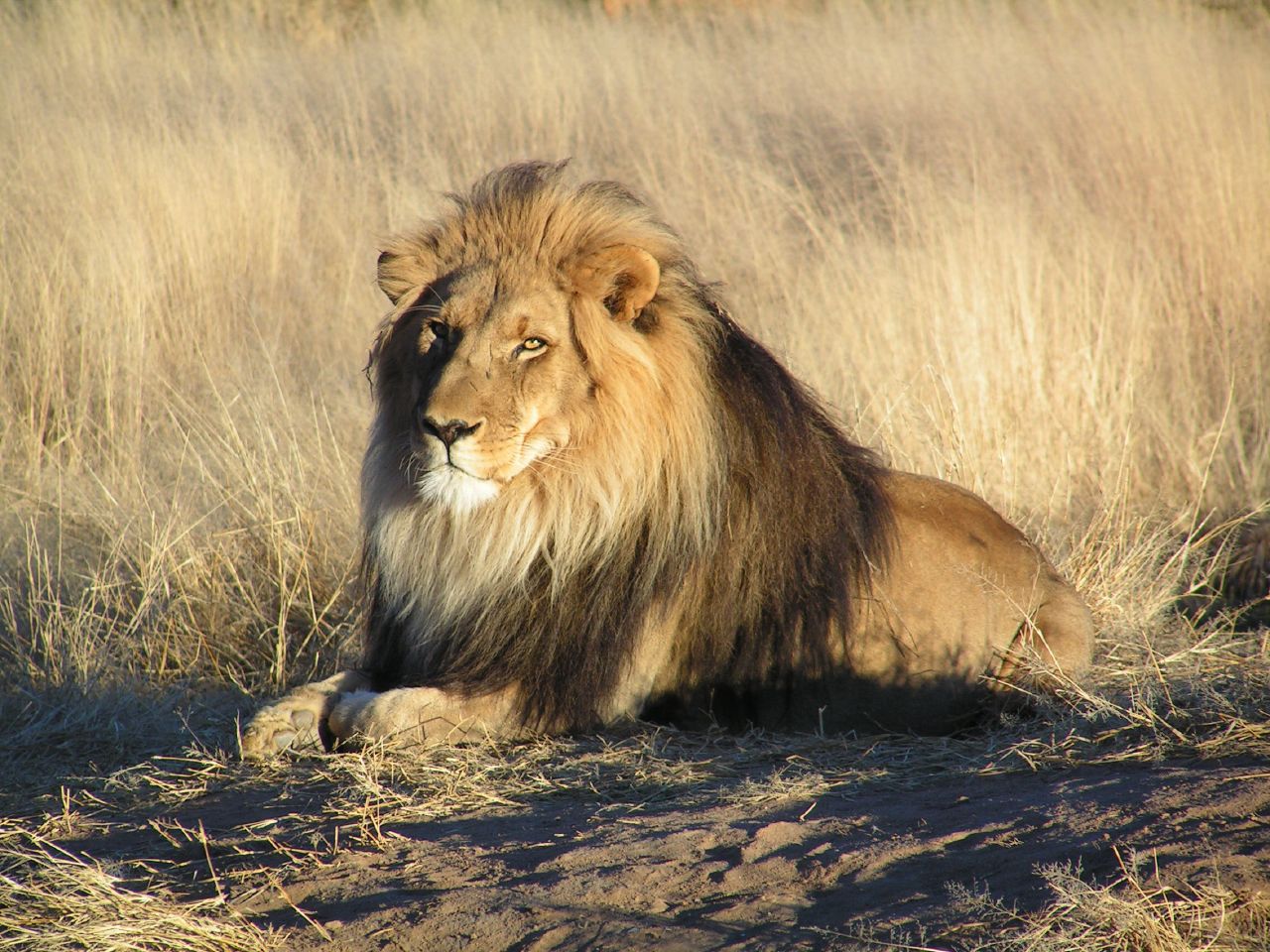
Pedals was an injured docile bi-pedal (walking on 2 legs) New Jersey black bear who gained popular attention. Pedals' death touched people in the same way that the 2015 killing of Cecil the lion in Africa by an American hunter sparked an international outcry and greater scrutiny of trophy hunting.

Is bear hunting in NJ trophy hunting? Those opposed to a bear hunt say it absolutely is that. In 2015, the state expanded the bear hunt to include killing more than one bear, raised the number of bear hunting permits to 11,000, added more regions, added a new season in October, added bows, and increased the hunt up to 10 days in December.

But on the pro-hunt side, the answer is not considered so simple. In an opinion piece by Mike Adams, he says in talking about about this legislation that "The presumable notion is that after that five years is up, new legislation will move in and ban in New Jersey bear hunting for good."

That is a possibility, but I think that after five years there is also a good chance that the number of nuisance or more serious incidents with bears and humans may have increased to a level that the 5-year ban will convince many more people that a hunt is necessary.

I have been a volunteer in the state's Wildlife Conservation Corps since the 1970s. The people I have met as volunteers include hunters, fisherman and environmental activists, so opinions differ on many issues concerning how we should treat species in the state.

I have spent most of my years focused on the endangered, threatened and non-game species of New Jersey. No one argues against protecting bald eagles, but when it comes to game species, like deer and bears, it is more difficult to get consensus.  

Those opposed to hunting will argue that hunters and the NJDEP are only interested in game species protection and management in order to provide a population to hunt and to sell permits and licenses. They support non-lethal methods such as artificial sterilization and relocation of transient bears.

Those on the other side will show evidence that these methods are ineffectual and expensive and that only controlled hunting can reduce populations.

In 2016, there were 1,400 accounts of nuisance bears in NJ, which are reported as incidents that include property damage, home entry, livestock kills, and attacks on humans. This number is actually relatively low compared to the earlier years without a bear season. Adams and others point out that in 2004, a year after New Jersey opened its first bear hunt, reports of nuisance encounters dropped by 42 percent.

New Jersey already has a Bear Response Unit for trapping and relocating nuisance bears. A 2009 study cited by Adams that was conducted by East Stroudsburg University researchers in conjunction with Union County College and New Jersey Fish and Wildlife, found that all the bears trapped and relocated into the wild by the response unit return to urban areas within 17 days of their release. When this happens, the response team is forced to euthanize the reoccurring nuisance bears.


These differing opinions on how to deal with bears in NJ are not new, and a report back in 2005 on the "Correlation of reduction in nuisance black bear complaints with implementation of (a) a hunt vs. (b) a non-violent program" showed that the state was considering both hunting and non-violent solutions to nuisance bear problems.

Bear Smart New Jersey is a public service program of the Bear Education And Resource program intended to protect black bears and their habitat in the state. They reach out to the community to educate residents about bears. They hope to foster a peaceful coexistence with bears and humans.

They have three main methods for their program. First, to have homeowners and businesses contain attractants like garbage and other unnatural food sources that draw bears into places with people. Second, to implement "aversive conditioning", a behavior modification technique used across the country to teach bears that they are not welcome in an area and to reinstill the bears’ natural fear of humans. Of course, the biggest objective, as with almost all environmental protection programs, is to educate the public.

I'm not optimistic that these two differing sides on the bear hunt will come to any agreement or consensus. It is difficult to show one approach to be better when both are in place concurrently. Unfortunately, as our human encroachment on habitats increases and populations of wildlife increase, our interactions with wildlife will also increase. The current controversy with bears and deer is likely to expand to species like coyotes and others in the future. The bobcat may be protected now, but if their numbers increase and their nuisance interactions with humans and their pets increase, we can expect similar controversies to emerge.

Saturday, January 7, 2017

Public Meeting About South Jersey Gas Pipeline Project in the Pinelands


January 24, 2017
NJ Pinelands Commission
Public Meeting - South Jersey Gas Pipeline Project  
9:30 am
New Location: Parish Centre, St. Ann's Catholic Church
22 Trenton Road, Browns Mills NJ 08015 
Former location was Ocean Acres Community Center in Manahawkin.


Sunday, November 13, 2016

Politics and the Environment


I avoid most things political on this blog, but we know that politics certainly plays a significant role in how conservation and environmental issues are handled.

An email this week from Michael Brune, Executive Director of the Sierra Club, said:

Yes, my heart sank when I heard Trump's rumored cabinet wishlist -- Sarah "Drill, baby, Drill" Palin as Secretary of the Interior; anti-EPA Texas Ag Commissioner Sid Miller as Secretary of Agriculture; fracking billionaire Harold Hamm as Energy Secretary.

Although I believe that what a candidate Trump said and what a president Trump will say and be able to actually do are very different, the idea that he said that in his first 100 days he would target putting Keystone XL in motion, canceling payments to UN climate change programs and lifting restrictions on coal and oil production has angered and motivated much of the pro-environment population.

Pay attention.

Monday, March 28, 2016

Two Sides of the Sparta Mountain Forest Proposal

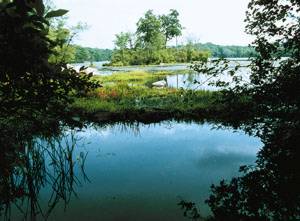
Ryker Lake,one of several bodies of water on the Sparta WMA | Photo by Wilma Frey

Sparta Mountain was preserved as part of the continuous forest of the Highlands that protects the drinking supply for half of New Jersey’s residents. But a proposed logging project may threaten that with increased silt and run-off that will affect trout streams and also that very high water quality water supply.

The NJDEP Division of Fish and Wildlife partnered with the NJ Audubon Society to revise the existing Forest Stewardship Plan (FSP) for the 3,461-acre Sparta Mountain Wildlife Management Area in Sussex County.

NJDEP states its primary goal of the plan is to "maintain ecosystem health, diversity, and integrity by creating a greater balance among the stages of forest succession throughout the property, minimizing further distribution of invasive exotic species, and enhancing biological diversity through responsible silviculture and mimicking natural 'gap disturbances'."


But some people view this "management" as just creating a different habitat more suitable for hunting. Groups such as the NJ Sierra Club say this proposal not only threatens the environment, but it will also interfere with public access, recreation, and hiking.

What NJDEP calls the "Sparta Mountain WMA Forest Stewardship Plan," environmental groups call "logging" and "clear-cutting" and a plan to "turn the Mountain into a field for bird habitat and deer over-population."

You only have until March 31st to let your feelings about this proposal be known, and can post those comments online for the NJDEP at http://www.state.nj.us/dep/fgw/spartamt_comments.htm

Monday, February 1, 2016

Possible NJ-NY Endangered Species Bills

Confiscated Wildlife Products at JFK Airport.jpg


New Jersey state senator Ray Lesniak, a Democrat, brought two bills through the Senate Committee on Economic Growth that address endangered species. The same bills had moved quickly through the Legislature toward the end of the last session, but were pocket-vetoed by Governor Christie.

The first bill, S977, would prohibit the sale, possession, storage or transport of body parts belonging to endangered species within state borders. The second bill, S978, would prohibit the same in all Port Authority facilities (seaports and the region's three airports).

Since the state shares the Port Authority with New York, it would require the New York Legislature to also pass similar bills. This is not as unusual as it may seem. NJ and NY already did this with a measure to ban the trade of ivory being brought into the country. New Jersey was the first state in the U.S. to enact the ban on August 5, 2014 and New York followed a week later.


Source: Senior NJ lawmaker pushes two-state endangered species measure | POLITICO

Sunday, January 10, 2016

NJ Bill To Ban "Trophy Animals" in State Passes Unanimously

A bill authored by Senator Raymond Lesniak that would prohibit the importation, sale and possession in New Jersey of “trophy animals” that are threatened with extinction, expanding the current list of banned species to include the African lion, among other endangered species was approved by the Senate this month with a vote of 31-0.

“Trophy hunting of exotic and endangered species is a cruel and inhumane practice that not only threatens the extinction of wild animals throughout the world but selfishly affects other species in the ecosystem,” said Senator Lesniak. “It is an elite hobby and the United States is the largest market. Killing these animals so that they can be stuffed and mounted is not a practice that should be condoned or allowed.”

The bill, S-3416, would amend the “Endangered and Nongame Species Conservation Act” to expand the list of protected species to include those appearing on the International Union for Conservation of Nature and Natural Resource’s Red List of Threatened Species, and those listed by the Convention on International Trade in Endangered Species of Wild Fauna and Flora. These contain additional species, such as the lions, leopards and elephants, which are not currently listed on the state or federal lists.

“The international community has worked together to protect and preserve species that have become increasingly endangered,” said Senator Lesniak. “This is a moral imperative as well as an environmental priority. We need to respect and value wildlife throughout the world and promote conservation efforts.”

The bill would exempt wildlife that was lawfully possessed prior to the date of enactment and wildlife that is being used or displayed for scientific, zoological, or educational purposes, for reproductions in captivity, or for other special purposes authorized by the commissioner of the Department of Environmental Protection.

Under the bill, violators would be subject to a crime of the third degree, with a criminal fine of between $5,000 and $50,000, a civil penalty of up to $25,000, and a civil administrative penalty of up to $25,000 per day.

Senator Lesniak is also the sponsor of companion legislation, S-3146, that would prohibit the importation of these animal parts through any airport or port facility owned or operated by the Port Authority of New York and New Jersey. Under the bill, which will be voted on next Monday, any Port Authority officer would have the authority to enforce the prohibition and seize any item used in connection with the violation of the prohibition.

Every year hundreds of hunters from North America and Europe travel to Africa to participate in what are known as “big-game” hunts for exotic and dangerous animals such as lions, elephants, and rhinoceroses. As a result, occasionally these hunters from North America or Europe engage in the illegal poaching of these animals and attempt to bring their “trophies” back with them when they return from their trips.

Sunday, December 27, 2015

State Regulators Approve South Jersey Gas Pipeline Project

A proposed 21.6-mile, 24-inch diameter natural gas pipeline to serve the B.L. England power plant at Beesley's Point, NJ  "is reasonably necessary for the service, convenience or welfare of the public," according to the New Jersey Board of Public Utilities (BPU), which has approved South Jersey Gas Company's (SJG) petition for the project.

The decision came nearly two years after the New Jersey Pinelands Commission rejected an SJG proposal to build part of the $90 million pipeline through the Pinelands National Reserve, despite support for the project from Gov. Chris Christie, the DEP, the BPU and the U.S. Army Corps of Engineers.

While most of the project is set to be constructed within right-of-ways, about 15 miles of the pipeline would travel beneath existing paved portions or roadway shoulders within the Pinelands. SJG filed an amendment to its project application with the New Jersey Pinelands Commission in May. The amendment responded to comments and issues raised during the commission's Memorandum of Agreement process and accounted for changed circumstances since the January 2014 vote.

naturalgasintel.com/articles/104790-state-regulators-approve-south-jersey-gas-pipeline-project

nj.com/cape-may-county/index.ssf/2015/12/natural_gas_pipeline_overcomes_major_hurdle


Tuesday, September 8, 2015

Sierra Club Opposes Leg Hold Trap Rule

The New Jersey Sierra Club, as part of a coalition, has filed an appeal in the Appellate Court for a stay on the new leghold trap rule in New Jersey because it violates state law.

Leghold traps have been banned in New Jersey for 30 years; however, starting in November, the NJ Fish and Game Council approved a rule for them to come back. These leg hold traps are cruel to the trapped animals, hazardous to other animals and pets and can harm the public including hikers and children.

“We are challenging this rule in court because it is illegal, immoral and inhumane. Leghold traps are dangerous and were banned in New Jersey 30 years ago by the legislature. Now the NJ Fish and Game Council is going to allow them to be used again. They were banned for a reason and there is no reason that they should ever be allowed to be used. These leghold traps maim and harm animals and are indiscriminate. They are dangerous to pets and to people who enjoy the outdoors and nature. Now the Governor is siding with the trapping industry and the hunting lobby as part of his national political agenda and that’s why they are bringing them back. This is unacceptable and against the law and that’s why we are fighting this,” said Jeff Tittel, Director of the New Jersey Sierra Club. “The rules, which were likely proposed at the behest of the trapping and fur industries are inhumane and are illegal under New Jersey law especially since there are other trapping techniques available. This rule violates the law and legislative intent and that’s why we’re challenging it.”

Sierra Club Appeals to Put a Hold on Dangerous DEP leg Hold Trap Rule

Friday, February 13, 2015

Proposed Energy Pipelines in New Jersey


Today's news reports that the Congress gave final approval to the Keystone XL pipeline bill, and that President Obama will now have a veto showdown. But you may not be aware - and it certainly doesn't get as much media attention - that New Jersey has at least 5 of its own proposals for the construction of new pipelines.

These are pipelines that will transport gas and oil from supply sources and cross NJ to deliver fuel to distribution and export points. Pipelines that cross state lines must be approved by the Federal Energy Regulatory Commission (FERC).


  1. One is the PennEast pipeline for natural gas from the Marcellus Shale "fracking" region of Pennsylvania to a location north of Trenton. That would send it across some preserved lands and watersheds in Hunterdon and Mercer counties, which sends up environmental red flags.
  2. Another proposed project is the Diamond East pipeline which would run on a parallel route a few miles to the east.
  3. The Pilgrim Oil pipeline would bring shale oil (produced in North Dakota) from Albany, N.Y., to Linden, NJ and would cross Bergen, Passaic, Morris, Essex and Union counties. 
  4.  The NJ Natural Gas pipeline is proposed to run through Burlington, Monmouth and Ocean counties.
  5. The South Jersey Gas pipeline would be in the Pine Barrens of Atlantic, Cape May and Cumberland counties.
According to the New Jersey Conservation Foundation, for the PennEast, two potential routes are being considered which could cross "as many as 66 preserved parcels totaling nearly 4,500 acres... and would  cross the Delaware River, a federally-designated Wild & Scenic river, impacting the critically important water resources of the Delaware River Basin and the New Jersey Highlands. [It] would impact farms protected with federal farmland preservation funds, and other agricultural lands that have benefitted from U.S. Department of Agriculture funding for farm conservation practices."


If these issues concern you, you can contact your U.S. Senators and Congressmen and ask them to change federal policy to require comprehensive planning for energy and infrastructure. To find your Congressman, go to www.house.gov/representatives/find/. To contact Senators Robert Menendez and Cory Booker, go to www.senate.gov/general/contact_information/senators_cfm.cfm?State=NJ.

For more information about PennEast, go to www.njconservation.org/currentissues.htm.

Thursday, November 6, 2014

NJ Voters Approve Ballot Question on Preservation


New Jersey voters voted YES this week on Ballot Question 2, amending the state constitution to set aside a larger percentage of the corporate business tax (from 4 to 6%) for preservation. This does not mean an increase in the corporate or other taxes, just a reallocation of how the collected taxes are dispensed. 
 
The question was approved by an overwhelming 65 percent of Garden State voters. According to the New Jersey Conservation Foundation, this is the fourteenth time in 52 years that voters have approved efforts to preserve New Jersey's clean water, productive farmland, parks, natural lands and historic sites.

Being the nation's most densely populated state, makes saving land for all of our communities even more critical. For example, with rising sea levels and increasingly severe storms, protecting lands that mitigate flooding all the more urgent.  

New Jersey is considered to be the first state projected to be fully "built out" - with all land either preserved or developed. Preserving and adding what we can to parks, farmlands,  and forests, and investing in open spaces can help protect and expand a healthy environment for current and future generations.


Monday, April 21, 2014

Bill Proposes Changes to the Endangered Species Act


Four new amendments to the 41-year-old Endangered Species Act (ESA) will require that government agencies involved with the conservation and protection of species to become more "transparent" to the public about their decisions.

One amendment, still being discussed, will require surveyors to count all of the animals in both private and public lands. This will allow the federal government to get a full count of all endangered or threatened species.

This bill may allow for researchers to discover that some species are no longer endangered. This bill was introduced by Chris Stewart, a Republican Representative from Utah who believes that this amendment will make the endangered species list smaller. The bill is seen by some as a way to "rein in" the ESA.

In a press release, Stewart said he agrees with the fundamental purpose of the Endangered Species Act -- to protect species from extinction -- but says the law as it is now goes beyond that.

"Unfortunately, not all laws are perfect," Stewart said. "And in this case, the interpretation of the law is resulting in inaccurate data collection, potentially preventing healthy and growing species from being removed from the threatened or endangered list."

Stewart cites the Utah prairie dog as an example, saying the species is only counted on federal lands, which results in a gross miscalculation of their total number.

"There are large populations of prairie dogs in yards, parks, cemeteries, and fields that never get counted toward recovery because they don't live on federal lands," Stewart said.

Defenders of Wildlife said the U.S. Fish and Wildlife Service does count endangered species on private lands when the option is available.

But counting species on private lands can be problematic because it assumes all private property owners will be cooperative It is also a practice that can have wide variations depending on the time of year and weather conditions and that counting should be seen as only one of a number of important data points in determining the status of a species.

Saturday, December 28, 2013

Happy Birthday Endangered Species Act

It was on this day in 1973 that the Endangered Species Act was signed into law.

Although there had been wildlife conservation laws in place for decades, by the late 19th century, the passenger pigeon was almost gone, the whooping crane population had plummeted, and many other species were being hunted into extinction. The causes were many - for food, for fashionable clothing, and sometimes just for sport.

In 1900, the Lacey Act was passed, regulating the sale of illegally captured or hunted wildlife across state lines. But the Lacey Act could only do so much; the passenger pigeon went extinct, and by 1941, there were only about 16 whooping cranes left in the wild. The whooping crane became the inspiration for the Endangered Species Preservation Act of 1966, which set aside money to buy habitat for endangered species.

In 1970, the Department of the Interior proposed adding the sperm whale to its list of endangered species, and the Pentagon and Commerce Department protested because the Navy used sperm whale oil in its submarines.


In 1972, President Nixon - not known for environmemtal protection - outlined his environmental agenda to Congress.

"This is the environmental awakening. It marks a new sensitivity of the American spirit and a new maturity of American public life. It is working a revolution in values, as commitment to responsible partnership with nature replaces cavalier assumptions that we can play God with our surroundings and survive." 

He specifically asked for a new Endangered Species Act that would provide early identification and protection of threatened species, and treat hunting or capturing endangered species as a federal offense.

In 1973, the House and Senate versions were combined. The Senate passed the bill unanimously, and the House by a vote of 355 to 4.

Source: writersalmanac.publicradio.org