Sunday, November 8, 2026

Contender Visiting the Jersey Shore


Contender being tagged and weighed

Contender, the largest male white shark ever tagged by OCEARCH in the Western North Atlantic, is heading south after spending the past four months in Atlantic Canada. His latest ping on November 6 placed him approximately 9 miles south of Atlantic City, New Jersey.

Contender is a white Shark (Carcharodon carcharias) who is 13 ft. 9 inches and weighing in at 1653 pounds.

Interestingly, Contender was detected in this same general area around this time last year, and comparing his movements from one season to the next gives scientists another opportunity to learn more about his migration patterns and behavior.

While the seasonal migration is underway, not all white sharks follow the same schedule or take the same route. Environmental factors like day length and sea surface temperature can influence when sharks begin moving south. Previous migration experience, site fidelity, and individual behavior may also help explain why some sharks migrate earlier or later than others.

Follow Contender and track his latest movements on the free OCEARCH Global Shark Tracker

Monday, November 2, 2026

Another Tick to Avoid - Alpha-gal Syndrome


Lone Star tick - CDC

Going for a hike, a walk in the woods, or just into your backyard this week? Be aware of yet another tick that might ruin your wandering. 

Alpha-gal syndrome (AGS) is a serious, potentially life-threatening allergic reaction triggered by a tick bite that makes people allergic to red meat and other mammalian products. Unlike most food allergies that manifest immediately, AGS is uniquely dangerous because its symptoms typically show up 3 to 8 hours after eating.

The Lone Star tick (Amblyomma americanum) is the primary culprit in the United States. Ticks carry a sugar molecule called alpha-gal (galactose-α-1,3-galactose) in their saliva. When the tick bites a human, it transfers this sugar into the bloodstream. The immune system flags it as a foreign threat and creates specific IgE antibodies to fight it. Later, when the person consumes mammalian products containing alpha-gal, the body triggers an allergic attack.

Yes, the Lone Star tick exists in New Jersey, and its population is actively expanding across the state. [It was historically confined to the southern regions and coastal plains of New Jersey—such as Monmouth, Ocean, and Cape May counties—but warmer winters and an increasing deer population have pushed their range much further north. They are now regularly detected in northern and central counties, including Hunterdon, Somerset, Bergen, and Passaic.

The presence of this tick in New Jersey is getting serious public health focus. In late 2025, researchers from the University of Virginia documented that a 47-year-old New Jersey man became the first recorded fatality in the United States from alpha-gal syndrome after suffering severe anaphylaxis from eating red meat following a camping trip. 

In the central and southern parts of the state, lone star ticks have become so prevalent that they actually outnumber local blacklegged (deer) ticks. Unlike regular ticks that wait passively for a host to pass by, lone star ticks actively pursue hosts by sensing vibrations and carbon dioxide. 

They are highly active in New Jersey from March through October, thriving in forests, tall grass, brush piles, and suburban backyards.

The New Jersey Department of Health and municipal health departments actively issue warnings urging residents to take heavy precautions in wooded or high-grass areas. To protect yourself, use EPA-registered repellents, wear long clothing pre-treated with permethrin, and perform thorough tick checks immediately after coming indoors.

Symptoms range from mild discomfort to medical emergencies. They include: [1] Skin Reactions: Hives, severe itching, swelling, or flushing. Digestive Issues: Severe stomach pain, diarrhea, vomiting, nausea, and heartburn. Respiratory Issues: Coughing, wheezing, and shortness of breath. Anaphylaxis: A severe drop in blood pressure and closed airways requiring emergency medical care. 

Those diagnosed with AGS must strictly avoid food derived from mammals: Beef, pork, lamb, venison, rabbit, and goat. Dairy products (milk, cheese, butter), gelatin, lard, and sometimes medications or capsules made with mammalian ingredients. 

Safe Alternatives: Poultry (chicken, turkey), fish, and shellfish do not contain alpha-gal and are completely safe to eat. 

Doctors diagnose AGS by taking a detailed history of your symptoms and performing a blood test to check for alpha-gal-specific IgE antibodies. There is no cure. Treatment centers entirely on lifestyle management, avoiding trigger foods, and carrying an epinephrine auto-injector (EpiPen) for accidental exposures. 

The allergy can sometimes decline or disappear over several years, provided you do not get bitten by any more ticks. 

AGS should be managed under the care of an allergist or other healthcare provider. 


Tuesday, October 27, 2026

King Tides Along the Jersey Shore


You may be hearing the term "king tides" recently on the news, connected to weather conditions. What are "king tides?" A king tide is a non-scientific term for the highest predicted high tide of the year at a coastal location. 

New Jersey is experiencing a major king tide window right now, and more are expected in the near future. New Jersey is currently in the middle of a predicted king tide window spanning October 27 to 28, 2026. Triggered by yesterday’s full moon converging with the Moon's closest approach to Earth, 8 out of 9 NOAA monitoring stations across the state are seeing their highest astronomically predicted tides.

What Causes King Tides?
Celestial alignment plays a role. These tides happen when the orbits and alignments of the Earth, Moon, and Sun combine to create maximum gravitational pull. They occur when the Moon is closest to Earth (called perigee) during a New or Full Moon.

Depending on the region, they often happen a few times a year during specific seasons, such as fall and winter. 

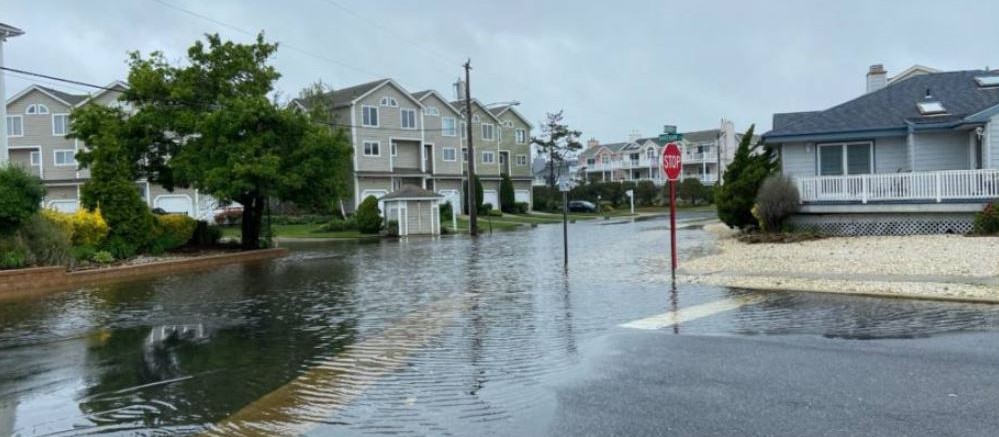
One common effect is called "sunny day flooding." The weather is fine, but these tides can push seawater over seawalls and up through storm drains onto streets even on clear, cloudless days with no storms. They also cause very low tides at alternate times of the day, which can expose marine life, sandbars, or shallow channels.

The absolute highest tide of this specific New Jersey window is occurring at Wildwood Crest, reaching an estimated 6.0 feet—which sits a notable 1.1 feet above normal high water levels (MHHW).

While high pressure is keeping skies mostly dry, the sheer gravitational force of this alignment is causing "sunny day" minor coastal flooding. Tidal waters are spilling onto the most vulnerable low-lying roads and bayside communities along the Jersey Shore during morning high tide cycles

King tides are called "king" because they represent the highest, most dominant natural high tides of the year. Just as a king sits at the top of a hierarchy, these tides tower above normal daily and monthly high tides, creating the largest tidal range (highest highs and lowest lows). 

NOAA's National Ocean Service would refer to them as perigean spring tides. Besides when the Moon is at perigee, they often occur during specific times of the year when the Earth is also closest to the Sun (perihelion) or when weather and warm water expansion add extra height.


What El Niño Could Mean for New Jersey This Winter

If you've been following weather news, you've probably heard about El Niño. But what exactly is it, and why does something happening thousands of miles away in the Pacific Ocean matter to people in New Jersey?

In simple terms, El Niño is a natural climate pattern that occurs when surface waters in the tropical Pacific Ocean become unusually warm. That extra warmth releases heat and moisture into the atmosphere, which can alter weather patterns across much of the globe. One of the main ways it does this is by shifting the jet stream, the fast-moving river of air high in the atmosphere that helps steer storms across North America. Because the jet stream influences where storms develop and travel, El Niño can have noticeable effects on winter weather in the eastern United States, including New Jersey.

While no two El Niño events are exactly alike, the pattern often increases the chances of a more active storm track along parts of the East Coast during the cooler months. For a state like New Jersey, that matters. With more than 130 miles of Atlantic coastline, extensive bays and estuaries, and densely populated coastal communities, New Jersey is especially vulnerable to flooding. 

Many residents - especially those away from the coast - think of flooding as something that happens only during hurricanes or major nor'easters, but increasingly, that's not the case. Even routine high tides can flood roads, neighborhoods, and businesses. As sea levels continue to rise, water needs less help from storms to reach places that once remained dry. A strong onshore wind, an unusually high tide, or a modest coastal storm can now produce impacts that would have been less likely decades ago.

El Niño itself is a natural phenomenon. However, it is occurring against the backdrop of a warming climate and rising sea levels. That means that El Niño may enhance the likelihood of stormy periods and persistent onshore winds, while higher sea levels mean that even minor coastal flooding events can become more disruptive. Communities along the Jersey Shore, as well as areas bordering tidal rivers and bays, are already experiencing more frequent nuisance flooding. When higher tides coincide with storms or strong winds, the impacts can be amplified.

Some of New Jersey's best flood protection already exists in nature in the form of wetlands, marshes, forests, and other undeveloped landscapes that help absorb and slow floodwaters. Wetlands act like giant natural sponges, temporarily storing water during heavy rainfall and coastal flooding before gradually releasing it back into the environment.

Protecting upland forests and open spaces is equally important. When land is covered by pavement, rooftops, and parking lots, rainfall cannot soak into the ground. Instead, it runs quickly into streams, rivers, and storm drains, increasing flood risks downstream. Investments in land conservation, wetland restoration, green infrastructure, and strategic flood-resilience programs can help communities adapt to both today's flood risks and tomorrow's changing climate.

So, what can New Jersey expect in the coming months? A seasonal forecast can't predict exactly what will happen on a particular day or month or whether any specific storm will strike New Jersey, but El Niño is expected to remain a significant influence through the winter months. That means greater potential for an active storm pattern during the cool season. There will also be an elevated risk of coastal flooding, particularly during periods of strong onshore winds and high tides. There will be increased vulnerability in low-lying coastal and tidal communities and the possibility that even moderate storms could produce outsized flooding impacts.


Monday, October 19, 2026

Foxy New Jersey


Red fox - photo by Gary Lehman www.state.nj.us/dep/fgw/

It is not at all uncommon for you to see a fox in a rural or suburban setting, but foxes in New Jersey are still rare enough to give most of us a surprise and thrill.

It is not positively known if the red fox (Vulpe s vulpes) was native to New Jersey. If the species was native, the numbers were few. It is thought that some or all of this species may have been introduced by colonists from England for the purpose of hunting with horses and hounds.

English foxes were introduced to the Colonies in Virginia and the Long Island area and eventually crossed into mainland New York State and into New Jersey. The native gray fox was not seen as "sporting" enough, as it treed rather than ran or ran in a much smaller area than the red fox.

In New Jersey, there are two species you might see. The red fox and the gray fox (Urocyon cinereoargenteus). The gray fox is known to be native to the state.

Both species are present throughout the state and are also classified as game species with hunting and trapping seasons.

For both species, male foxes are called "dogs" and females are known as "vixens".

Generally speaking, neither species pose a threat to people, but like all wildlife species should never be approached or fed. Fox are well known for their threat to small domestic animals, and are well-deserving of their reputation for intelligence. They are highly adaptable and can be found living in close proximity to people and in developed areas.

The pointed ears, slender muzzle, and slanted eyes, bushy and unusually long tail, coupled with its small dog size and typical orange-red coloration, make the red fox instantly recognizable to most observers.

The exact breeding period for red foxes is January-February in the central regions, which includes New Jersey. Litter size may vary from one to as many as fourteen pups, with an average of about five. The family group remains together until the autumn after the birth, when the young will disperse. Sexual maturity is reached by 10 months for both male and female young.

Red foxes can weigh from about 8 to 15 pounds, but in New Jersey will generally weigh about 12 to 13 pounds for a large, adult male. Males average about 2 pounds heavier than females. Generally, adult foxes measure 39 to 43 inches from the tip of the nose to the tip of the tail. In their first autumn, juveniles are as large as adults.

Other than when raising young and during breeding season, the red fox is a solitary animal and does not form a pack like wolves.

Family groups and/or individuals use a main earthen den in conjunction with other emergency burrows within their home range. Foxes often take over and utilize dens of other animals, such as woodchucks. The dens may be enlarged during the winter and prior to birth and rearing of the young. Several generations of foxes will often use the same den site.

Red foxes are strictly terrestrial and rarely enter water. Red foxes most often hunt and move about during evening, nighttime, and early morning hours.

Being a nonspecific predator, the red fox utilizes a variety of food types and prey. It is also a very efficient scavenger, and garbage and carrion can be important to the fox's diet. Throughout much of the year, however, meadow voles are the major prey, making up about one half of the red fox's diet. Other rodents are also eaten whenever available.

In northeastern North America, depending on season and location, woodchucks, eastern cottontails (and snowshoe hares where they are present) may also be preferred. Gamebirds such as bobwhite, ring-necked pheasants, and ruffed grouse are seasonally utilized as well as any ground-nesting birds and/or their eggs and young during spring and early summer. During late summer and autumn, fruits, berries, and insects may be eaten.

The Gray Fox is common in New Jersey as well as many parts of the United States where deciduous woodlands provide habitat. But it is a seldom-seen, secretive carnivore.

Habitats for gray fox include wooded, brushy, and rocky areas. Although they are occasionally seen in old fields and farm country, they do not prefer agricultural habitats, unlike the red fox.


Gray Fox

Like most foxes, gray foxes resemble small, slightly built dogs with bushy tails. The general coloration of a gray fox is a strikingly beautiful grizzled gray that appears on the face, sides, and tail. Portions of the legs and lower sides, as well as large areas of the neck, ears, and bottom portion of the tail, are a rusty, reddish color with white areas on the chin, belly, and insides of the legs.

Adult gray foxes weigh from about 6.5 to 15 pounds, though a large male will weigh somewhere around 11 to 12 pounds, and males will be slightly larger than females.

Gray foxes have a capability unique for a member of the dog family — their ability to climb trees. Their strong, hooked claws allow them to scramble up trees to avoid predators and to obtain fruit. They descend primarily by jumping from branch to branch. Gray foxes are nocturnal or crepuscular and they usually remain denned during the day in hollow trees, stumps or old woodchuck burrows.

The gray fox is generally a solitary hunter, but it may hunt as a pair, usually with a mate or offspring. They eat a wide variety of food types. The most important food source for the gray fox may be the cottontail but voles, field mice, shrews, and birds are readily eaten. The gray fox generally supplements its diet with whatever fruits are in season, generally utilizing more vegetable matter than the red fox.

Foxes will prey on small livestock such as ducks, chickens, rabbits, and young lambs, but generally do not bother larger livestock. Cats may also be preyed on. Foxes often carry their prey to a secluded area or their den where it is eaten by the adults and young.

Human presence is often a deterrent to foxes. Foxes that travel into residential yards should be harassed or scared with loud noises to prevent them from becoming habituated. Foxes, especially red foxes, commonly live in close association with human residences and communities. They frequently inhabit yards, parks, and golf courses, especially areas that adjoin suitable, undeveloped habitat. Healthy foxes pose virtually no danger to humans. Foxes can grow accustomed to human activity but are seldom aggressive toward people. Expanding housing development, particularly in historically rural areas, increases the chances of interactions between humans and foxes, as well as other wildlife.

Monday, October 5, 2026

Bog Turtle Survival

The bog turtle is North America's smallest turtle, and populations persist in depleted, isolated groups from New England to Georgia. New Jersey is one of its remaining strongholds. The species is protected under the Endangered Species Act (ESA) as threatened with extinction, and it remains illegal to kill or damage an individual threatened or endangered animal.

The bog turtle (Glyptemys muhlenbergii) is the official state reptile of New Jersey and the smallest turtle in North America, growing to only 3 to 4.5 inches in length.

Bog turtles depend on specialized wetlands. During summer heat, they require the soft muck of spring-fed fens, bogs, wet meadows, and wet pastures; in cooler weather, they need open, sunny areas for basking. Much of this habitat has already been destroyed by wetland drainage, livestock grazing, land clearing, and invasive plants that displace native vegetation. About 90 percent of the remaining habitat is privately owned, making landowner cooperation essential to the species' recovery.

For roughly half a century, the ESA's definition of "harm" has included not only directly killing or injuring protected species but also the significant modification or degradation of their critical habitat. This protection, along with federally required recovery plans, helped prevent extinction of an estimated 99 percent of threatened and endangered organisms. 

Two programs have been particularly important to bog turtle conservation. Safe Harbor encourages landowners to restore and maintain habitat by guaranteeing that they will not face additional ESA restrictions if bog turtles increase on their property. Working Lands for Wildlife provides Farm Bill funding and guidance from federal biologists while protecting landowners from penalties if a turtle is accidentally killed or harmed during routine farming, forestry, or road work.


Appearance: Dark mahogany or black shell with bright, distinct yellow, orange, or red blotches on each side of the head. Listed as endangered in New Jersey (since 1973) and threatened federally under the Endangered Species Act. 

New Jersey houses over 50% of the Northeast's population. They are primarily found in rural and isolated colonies across northern, central, and southwestern counties. The largest remaining populations thrive within the Wallkill and Paulinskill River Watersheds in the northwest, as well as areas in Salem County in the southwest. Most active conservation and priority sites are located in Sussex, Warren, Hunterdon, and Salem counties.The ideal habitat is shallow, unpolluted, spring-fed mucky wetlands, wet meadows, and bogs with slow-moving water and open sunlight for basking. 

Bog turtle diet is omnivorous, feeding on seeds, berries, worms, slugs, and small invertebrates. 

If habitat is protected, they are highly resilient and long-lived, averaging 20 to 30 years, with some living past 60 years in the wild

A Threat to Bog Turtles

On September 14, 2025, the Trump administration began enforcing a rule that removes habitat degradation from the ESA's definition of "harm." The administration's Interior Secretary, Doug Burgum, has described the change as "common sense." Critics argue that it effectively allows habitat essential to threatened and endangered species to be destroyed even while individual animals remain legally protected.

The National Parks Conservation Association's Bart Melton said the rule "defies common sense" and warned that it could enable mining, oil and gas drilling, logging, and development in areas critical to vulnerable species. Earthjustice attorney Kristen Boyles called the rule a violation of the ESA's core purpose and decades of legal precedent, including U.S. Supreme Court decisions. Wayne Pacelle, president of Animal Wellness Action, compared removing habitat protections from the ESA to removing anti-discrimination provisions from the Civil Rights Act, arguing that it leaves the law's central protection hollow.

The administration proposed the rule on April 17, 2025, and received nearly 360,000 public comments. Although the administration has not disclosed how many opposed the proposal, an Earthjustice analysis found that approximately 99 percent of the comments were negative. The Administrative Procedure Act requires federal agencies to consider public comments and provide a rational, evidence-based explanation for their final rules; critics contend that the Trump administration has repeatedly failed to meet that requirement.

Next?

Multiple lawsuits challenging the rule are underway. If it remains in effect, habitat protection for ESA-listed species could effectively be eliminated. Existing Safe Harbor and Working Lands for Wildlife agreements could lose their incentive for landowners, and landowners could have little reason to enter new agreements. For bog turtles, whose remaining habitat is already scarce and overwhelmingly privately owned, the consequences could be especially serious.

The habitat protections must be restored so that the ESA continues to protect not only individual threatened and endangered animals but also the habitat they need to survive. The federal government must continue requiring recovery plans, supporting landowners through Safe Harbor and Working Lands for Wildlife, and providing funding and scientific guidance for habitat restoration.

The lawsuits challenging the rule will determine whether the habitat-protection change remains in effect. Protecting and restoring bog turtle wetlands will also require continued cooperation from the private landowners who control most of the species' remaining habitat.

New Jersey Bog Turtle Project

Bog Turtle Information at Conserve Wildlife

Thursday, October 1, 2026

Guided Walks at Higbee Beach

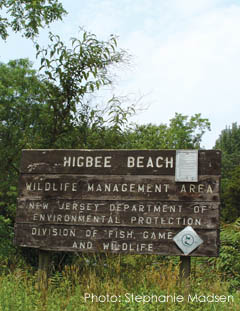
Guided walks in the Hidden Valley area of Higbee Beach WMA are being offered monthly by NJ Audubon in cooperation with the NJDEP Division of Fish and Wildlife.

The Higbee Beach Wildlife Management Area is important for its value to endangered, threatened and nongame wildlife.

This Cape May peninsula hosts one of the world's largest migrations each fall as millions of birds stop at the peninsula seeking food, cover and water. Higbee Beach plays a vital role in the migration, providing migrants with a stopover site as they increase their fitness before continuing their sojourn south.

The roughly 1,100-acre area offers a unique blend of several different habitats, including dune, forest, scrub-shrub and early successional fields. The Endangered and Nongame Species Program, in cooperation with the Bureau of Land Management, manages the fields and scrub-shrub areas for migrating songbirds and raptors.

There are two new viewing platforms that have been added to the nearly 2 miles of nature trails at the area. The platforms, which offer spectacular views of the field and forest canopy, feature educational signs on migration and habitat.

A dune trail that runs through forested dunes with views of the expansive Delaware Bay was added in 1999.


Higbee Beach is comprised of six different locales: Signal Hill, Davey’s (or Davis) Lake, Pond Creek, Sassafras Island, Hidden Valley, and the Magnesite Plant.

Hidden Valley's mix of varied habitats hosts a diversity of birds which may be encountered, including sparrows, hawks, waterbirds, and even the possibility of an owl.

According to capemay.com, Hidden Valley was once a 92-acre farm between Bayshore Road and the Pond Creek Marsh. The Dickinson family, preferring it be preserved rather than developed, sold it to the state in 1986. Part of the acreage is known as Hidden Valley Ranch and is leased for equestrian activities. The fields, trails and swamps are well known to birders.

For more information visit community.njaudubon.org


If visiting during the fall migration, it is suggested that you go following a cold front with northerly winds. All you need is a set of binoculars and ID books.

In warmer weather, Higbee Beach is also home to lots of dragonflies and butterflies, including the long-distance migrant - the Monarch butterfly.

Tuesday, September 29, 2026

NJDEP Fish & Wildlife's Fall Fishing Program


Get ready for fall fishing by joining NJDEP Fish & Wildlife's R3 Fishing Program at a FREE beginner fishing workshop. These workshops are for new anglers or those looking to get back into fishing.

Fish biology; how to set up equipment; safety practices; bait and tackle choices; casting; and fishing regulations will be covered at each workshop. Participants will put their new skills into practice with a fishing experience.

Registration is required. dep.nj.gov/njfw/education/r3-fishing-program/ 


Let's Go Fishing!
October 7, 2026, 2:30 p.m. - 5:30 p.m.
Willingboro Lakes County Park, Willingboro


Monday, September 28, 2026

The World's Fastest Insect Is Also a Great Hunter


Dragonflies via openclipart.org

Did you know that one species of dragonfly reaches speeds of 58 kilometers (36 miles) per hour, making it the world's fastest-flying insect?

WE are in dragonfly migration season, which is believed to run from August to November. However, researchers know much less about dragonfly migrations than they do about bird or whale migrations.

North America may have up to 18 migratory dragonfly species. A recent study revealed that the species undertakes complex long-distance migrations every year that span generations and seem to be influenced by temperature, making them particularly vulnerable to climate change.

They have been observed eating flies, bees, beetles, butterflies, and even small birds. Dragonflies achieve a hunting success rate of up to 97% by waiting for prey before attacking or scouting an area.

Their compound eyes provide nearly 360-degree vision, with each eye possessing as many as 30,000 ommatidia—individual units that point in a unique direction and have their own lens. Besides their complex compound eyes, dragonflies have three smaller eyes at the front of their heads called ocelli, which are thought to help keep them stable while flying. While humans possess three light-sensitive pigments involved in color vision—blue, green, and red—dragonfly eyes have as many as 30 such proteins.

They also have two pairs of wings, but the angle and speed of each wing are controlled independently, enhancing the insect's flight control and agility.


Thursday, September 3, 2026

Wildwood Coyotes


Coyote pup in Wildwood.
So cute, you might be tempted to go nearer and feed it. DON'T

Coyotes in New Jersey are not rare, endangered or threatened. But they are becoming more common, and many people are fearful of their presence. 

A recent increase in coyote sightings near Wildwood’s back bay has raised concerns among local residents. These cunning and very adaptable predators are digging underneath fences, entering backyards, and keeping frightened residents at home. Homeowners are keeping their pets inside, and they’re thinking twice about letting small children outside unattended. 

City officials say locals feeding the coyotes is contributing to the problem. The city has put up more than a dozen warning signs around town to not feed any coyotes. The mayor noted that the coyotes are fearless and that they don’t run and just stare when a car comes closer to them. 


These sightings have been concentrated near Wildwood’s former landfill, which is currently being redeveloped into a nature preserve. Officials are hoping the completion of the project will keep coyotes further from residential homes. 

Residents throughout the state are encouraged to follow these guidelines to mitigate coyote encounters:

  • No feeding 
  • Secure garbage and pet food 
  • Strengthen fencing 
  • Consider installing motion-activated lights or sound deterrents

Saturday, August 29, 2026

Planting Underway of 170,000 Native Trees and Plants

Over the next several months, more than 170,000 native trees, shrubs, grasses and perennials will be planted throughout the nearly one-mile Newark segment of New Jersey’s newest state park, a nine-mile greenway in Essex and Hudson counties.

A sampling of the plantings includes 206 deciduous canopy trees, such as red maple, black tupelo, American sycamore and white oak; 335 understory and evergreen trees at maturity, including eastern redbud, flowering dogwood and eastern red cedar; 1,356 large shrubs, including gray dogwood, witch hazel, northern bayberry, highbush blueberry and pussy willow; and 2,889 small shrubs, including black chokeberry, inkberry, Carolina rose and black raspberry.

The planting plan also includes 165,609 groundcover perennials spanning 132,980 square feet, featuring milkweed, black-eyed susan, wreath goldenrod, New England aster and wild geranium, among others. In addition, 84,139 square feet will be planted in native upland wildlife forage and meadow habitat, along with 46,693 square feet of lawn grass mix.

Once established, the plantings will improve air quality by filtering pollutants and capturing carbon, help moderate temperatures through natural shade, and support stormwater management by absorbing rainfall and reducing runoff. The plantings will also create habitat for native wildlife, including birds and pollinators. In addition, green spaces are linked to improved mental health, including reduced stress and anxiety, improved mood, and enhanced overall well-being.

Monday, July 13, 2026

Blue and Green Acres


You have probably seen signs marking projects and spaces as "Green Acres." Created in 1961, the New Jersey Green Acres Program is the state's premier initiative for land conservation and park development. Operated under the New Jersey Department of Environmental Protection (NJDEP), its primary mission is to protect undeveloped land, counter rapid urban sprawl, and ensure that every community in the nation’s most densely populated state has access to outdoor recreation.  

Over its history, voters have consistently supported the program through a dozen bond referendums, establishing a permanent funding source through a dedicated portion of the state's Corporate Business Tax. To date, Green Acres has directly or indirectly helped protect over 1.6 million acres of open space across New Jersey. 

An offshoot of that program, Blue Acres focuses on climate resilience and flood protection.Established in 1974, this program allows private non-profit organizations to be exempt from local property taxes on land they own, provided that the land is kept natural and completely open to the public for conservation and recreation.

New Jersey's Blue Acres program is a state-led, voluntary buyout initiative that purchases flood-prone residential properties from willing sellers. Managed by the DEP, the program demolishes the damaged homes and permanently preserves the land as open space for natural flood storage, wetlands, and passive recreation.

Property must be residential and located in a flood-prone or chronically storm-damaged area. There is no minimum number of neighbors required to participate.

The state offers Fair Market Value based on independent appraisals. Eligible participants may also qualify for supplemental assistance, incentives, and relocation services to help clear existing mortgages or debt and secure comparable housing.

Friday, July 10, 2026

Teachers: Bring the Salt Marsh to Your Classroom

Teachers: You can join NJDEP Fish & Wildlife's Sedge Island staff and explore the salt marsh with activities that you can bring back to your classroom and students.

Participants in this overnight workshop will engage in classroom-ready activities, learning about New Jersey's salt marshes, all while staying at the Sedge House.

During the workshop, educators will:

  • Explore the unique ecology of the salt marsh by kayak.
  • Learn about the flora and fauna of the marsh through trawling, seining, clamming, fishing, and more.
  • Receive classroom-ready lesson ideas and resources aligned with science standards.

Two dates to choose from: August 17-18 or August 18-19.

Registration deadline is August 7, 2026.

More information and registration

Monday, July 6, 2026

Rutgers University Marine Field Station


The Rutgers Marine Field Station in Little Egg Harbor Township and the parent institution, the Rutgers University Department of Marine and Coastal Sciences has a goal to create a corridor for research, from the upper reaches of the Mullica River drainage basin, down through the Great Bay estuary, to the inner continental shelf.

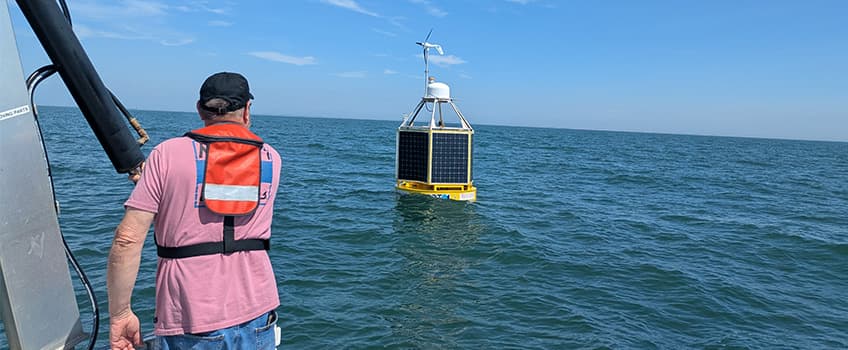
A floating research platform deployed three miles off the coast of Tuckerton is giving scientists real-time ocean data that could improve storm preparedness, monitor water quality and help researchers better understand marine ecosystems along the Jersey Shore. The solar- and wind-powered “PowerBuoy” also revives LEO-15, a Rutgers ocean-monitoring program that shut down in 2005 after an underwater cable failure.

Earlier versions of the observatory used seafloor instruments to monitor storms, shifting sediment and marine life. The new wireless platform collects offshore data without the need for extensive underwater infrastructure, helping researchers connect conditions closer to shore with those farther out at sea. The platform also allows researchers, students and educators to add instruments to monitor waves, water quality and other conditions, or to test new technologies.


Monday, June 8, 2026

Get Local: Essex County Endangered Species

I posted earlier about how Endangered Species Day really needs to be every day, especially in a densely populated state like New Jersey. I live in Essex County, New Jersey, one of the most densely populated counties in the state—and in the entire U.S.  As of 2024 estimates, it has roughly 850,000 residents living within about 130 square miles, giving it a population density of around 6,500 people per square mile. Essex ranks among the top three most densely populated counties in New Jersey, alongside Hudson and Union.

But it is not without wildlife and green areas, and, of course, some rare, endangered, and threatened wildlife and plant species. Newark, East Orange, and Irvington account for much of that density, with Newark alone exceeding 11,000 people per square mile. But towns such as Cedar Grove, Montclair, and Livingston are less dense—typically 2,000–4,000 people per square mile—but still tightly settled compared to rural counties.

High population density means fragmented habitats and pressure on green spaces, making local conservation efforts—like those highlighted in the poster —especially vital. Protecting remaining wetlands, forest corridors, and stream buffers helps maintain biodiversity amid urban growth.

The poster highlights the rare wildlife found across the county’s forests, wetlands, and river corridors—from the Watchung Mountains to the Passaic and Rahway watersheds. It features species such as the bog turtle, timber rattlesnake, Indiana bat, and peregrine falcon, along with native plants like swamp pink and American chaffseed that thrive in protected habitats. All of these depend on the Watchung Mountains and Passaic River corridor for survival.


Wednesday, June 3, 2026

World Ocean Day


World Oceans Day is observed every year on June 8. This date is consistent across all UN member states and has been officially recognized by the United Nations since 2008. It’s an annual international observance dedicated to ocean protection, awareness, and sustainable stewardship. 

If you're not involved in conservation efforts around our oceans, one way to celebrate World Ocean Day is with a collection of free educational resources about Earth’s oceans from The Open University's Science courses and qualifications.

The oceans cover more than 70 per cent of our planet. Discover the wonders of our oceans - on Earth and beyond. From interactive games like Ocean Explorer to free courses and thought-provoking articles (including oceans in space!), this collection brings together a wealth of learning to inspire curiosity and care for our marine world.

New Jersey has several ways to celebrate World Oceans Day and oceans in general throughout the year. 

  • New Jersey World Ocean Day Beach Cleanup — Wildwood Crest
    Date: June 6, 2026  11am (held the weekend before World Oceans Day)
    Rambler Road Beach, E Heather Road & The Beach, Wildwood Crest, NJ
    Volunteers remove debris, receive orientation, and may get a free event t‑shirt if registered early. All ages welcome; minors need an adult.
  • Clean Ocean Action holds Statewide Beach Sweeps (related coastal stewardship). While not tied specifically to June 8, Clean Ocean Action runs one of the largest coastal cleanup programs in the state. Their next major event is October 24, 2026. 9:00 AM–12:30 PM at 80+ beaches across New Jersey. This long‑running cleanup effort removes millions of debris items; volunteers of all ages welcome.


Tuesday, May 26, 2026

Endangered Species Days


Endangered Species Day is an annual, globally recognized day—held on the third Friday of May (this year it was on the 15th) dedicated to celebrating, learning about, and taking action to protect threatened and endangered species. But a day is not enough.

It was established by the U.S. Congress with leadership from the National Wildlife Federation and has since grown into an international observance involving schools, conservation groups, communities, and individuals.

So why does the day matter? More than one‑third of U.S. wildlife species are at risk of extinction in the coming decades. Endangered Species Day is a reminder that conservation efforts—legal protections, habitat restoration, and community engagement—work and are urgently needed. 

Here are some suggestions for things you can do any day of the year that make a difference.

  • Attend or host events such as talks, film screenings, habitat cleanups, or nature walks. 
  • Learn about endangered species, from mountain gorillas to red wolves to local pollinators. 
  • Participate in creative activities, like chalk art contests or wildlife crafts for kids. 
  • Support conservation organizations through volunteering or donations. 
  • Raising awareness of species at risk of extinction and the ecosystems they depend on.
  • Highlighting conservation successes, such as species whose populations have rebounded thanks to the Endangered Species Act.
  • Encouraging public action—from habitat restoration to citizen science.
  • Celebrating biodiversity, especially local wildlife and habitats.
Review the complete list for New Jersey

Saturday, May 23, 2026

Horseshoe Crabs Return to Cape May County


In this annual rite of spring, the beaches of Cape May and the broader Delaware Bay region play host to one of the oldest, most spectacular wildlife phenomena on Earth: the mass spawning of Atlantic horseshoe crabs (Limulus polyphemus).

This ritual has been repeated for nearly 450 million years—meaning these "living fossils" arrived on these exact shores long before the first dinosaurs walked the earth.

While horseshoe crabs begin trickling onto the beaches in late April, the main event happens in May and June. The absolute peak centers around the Full and New Moons, specifically during evening high tides. May 2026 has two Full Moons to start and end the month.


Driven by the high spring tides, tens of thousands of crabs emerge from the deep bay waters simultaneously. Large, smooth-shelled females crawl up to the high-tide line, often trailing one or more smaller males holding onto her carapace (shell) with specialized, boxing-glove-like claws. The female digs a shallow nest in the sand to deposit up to 20,000 tiny, greenish-tan eggs. The males then fertilize them as the waves wash over the cluster.

At its height, the shoreline looks less like a beach and more like a cobblestone street paved in dark, gleaming, olive-green helmets jostling in the surf.

The arrival of the crabs triggers a second, equally spectacular natural event. The Delaware Bay is the largest horseshoe crab spawning site in the world, and the millions of eggs left in the sand are a vital fuel source for migrating shorebirds.


Among these birds is the Rufa Red Knot, a threatened species undertaking an incredible 9,000-mile journey from the tip of South America up to the Canadian Arctic. Cape May is their ultimate refueling station. The birds arrive emaciated, having lost up to half their body weight. They gorge themselves almost exclusively on the lipid-rich, easily digestible horseshoe crab eggs that are churned up to the surface by the waves.

In just about two weeks, a Red Knot must double its body mass to survive the final leg of its journey north to breed. Without a dense concentration of crab eggs, the birds cannot successfully reach the Arctic or reproduce.

If you head down to the Cape May area to see it, the Delaware Bay side beaches (like Reeds Beach, Cook's Beach, or Higbee Beach) offer far more intense spawning activity than the oceanfront Atlantic beaches, as the crabs prefer the calmer, wave-protected waters of the bay.

Because both the horseshoe crabs and the shorebirds are highly vulnerable, many of Cape May's key bay beaches are seasonally closed to the public during the peak weeks to prevent disturbing the birds. However, public viewing platforms and guided walks hosted by organizations like the Cape May Bird Observatory offer spectacular front-row seats to this ancient dance.


Saturday, May 9, 2026

Progress on New Jersey's Newest State Park

New Jersey's newest State Park spans nine miles from Montclair to Jersey City on a former rail line that has been transformed into a vibrant linear park that will provide recreation, transit access, and community connections for over 1.5 million residents.

The nearly one-mile Newark segment of the park was the first to be constructed following the groundbreaking in July of 2025. Once complete, walkers, joggers and cyclists will be able to travel from Branch Brook Park Drive to Broadway on a meandering ADA-accessible trail lined with native plantings. 

Once complete, the nine-mile greenway will connect eight municipalities across Essex and Hudson counties – Jersey City, Secaucus, Kearny, Newark, Belleville, Bloomfield, Glen Ridge and Montclair.

The Greenway’s design includes several features that enhance safety and user experience while preserving the surrounding environment. Downward-facing lighting will ensure pathways are well-lit without disturbing nearby residents or natural habitats. The project also features separate paths for pedestrians and cyclists, designed to promote safe speeds and provide places to sit and enjoy the trail’s natural setting.

The property that will become New Jersey’s newest state park is closed to public access while under development. Due to the legacy of industrial pollution in the vicinity, its prior railroad usage, and the dilapidation of existing infrastructure, the future park is not currently suitable for public use. The construction of the park is ongoing, and it is expected to be fully developed and open to the public by the end of 2026.

New Jersey's Newest State Park - State Parks, Forests & Historic Sites

Friday, May 1, 2026

Send Rutgers Your Ticks


The weather is feeling more like late spring and on some days already summer. That means you're likely to be outside more. And that means you're more likely to encounter ticks on you or your pets.

Ticks for Science! is a citizen science project organized by the Rutgers Center for Vector Biology. Their goal is to create a tick map showing the changing distribution of ticks and tick-borne pathogens in NJ and bring more awareness to tick-borne disease. 

If you encounter a tick in New Jersey, you can send it to us, and we will test it for disease-causing pathogens for free! With your help, we will learn where and when people are exposed to ticks and tick-borne diseases.

Yes, they want you to send them your ticks!  


Multiple life stages of common ticks of NJ - photo by Andrea Egizi, PhD

The site provides information on how to prevent tick bites, removal and about tick-borne diseases.